
Ease Paired With Toughness: The Materials Behind Righteous Clothing
Anyone digging into a righteous review before buying usually starts with the same question right away: what is this clothing actually made of? It’s a valid question, because fabric choice governs the outcome down the line — how a garment fits after twenty washes, whether it pills at the cuffs, how it feels against skin on a humid afternoon as opposed to a cold morning. Righteous clothing has shaped its brand identity around exactly this worry, treating material selection as the bedrock of the label rather than a detail tacked on tucked into a product description. This philosophy is reflected in the way each piece is built, from the yarn used to the finishing techniques applied before a garment ever makes it into someone’s hands.
What follows explains what goes into we are righteous apparel, why those choices matter for regular wear, and how the materials stack up against typical fast-fashion alternatives still prevalent in 2026. We’ll additionally examine care, how long the pieces should last, and where the righteous hoodie slots into the brand’s wider collection. No padding, no vague sales-speak — just the real-world specifics that help someone determine whether this brand suits their wardrobe.
Why Material Selection Shapes a Clothing ultimate sacrifice hoodie Brand
Fabric choice is the number-one factor separating clothing that holds up from clothing that ends up in a donation bin after six months. A low-cost, thinly woven cotton blend might feel soft on day one, but it stretches out of shape after several launderings and starts growing threadbare at stress points like elbows and underarms. Righteous clothing brand pushes back against that cycle, leaning toward heavier-weight, closely woven fabrics that hold their shape even with regular wear. This is more than a promotional line — it reflects a wider shift in how consumers assess apparel now that fast fashion’s environmental and durability weaknesses are broadly recognized.
Fabric weight carries more importance than many buyers assume. Fabric weight is generally measured in grams per square meter (GSM), and garments under 180 GSM often come across as thin and see-through, while anything above 280 GSM comes across as structured and well-formed. Righteous apparel usually lands in the mid-to-heavy range, which accounts for why customers commonly describe the pieces as feeling „worth the price” rather than insubstantial. Heavier fabric also holds its shape through drying cycles, meaning reduced need for ironing and fewer hassles on laundry day.
Additionally, fabric performance under pull is also worth examining. Rebound capacity — the capacity of a piece to return to its original shape after being pulled — is a technical property that sets apart properly constructed staples from cheaply made counterparts. Fabrics blended with a modest amount of elastane fiber or another stretch-type fiber typically outperform in recovery compared to fully rigid, unblended cotton, and this explains why many righteous pieces incorporate blended constructions rather than relying on single-fiber fabrics alone.
A Closer Look at the Righteous Hoodie, Examined Up Close
This righteous hoodie piece has become a near-signature piece for the brand, and for good reason — hoodies are unforgiving garments in terms of fabric quality.
Before long, a poorly constructed hoodie will sag at the hood, have its drawstrings loosen, and develop pilling near the front pocket.
This righteous hoodie is constructed using a thicker fleece-back construction, meaning the inside is brushed to feel soft while the exterior remains resilient yet smooth. This two-layer approach is the norm for high-end streetwear but rarely found in lower-cost options.
Ribbing at the cuffs and hem is another point worth noting. Snug, sturdily-constructed ribbing keeps a hoodie’s silhouette true even after repeated wear and washing, staving off the stretched-out, saggy look that undermines less costly clothing after just a season. Right at the underarm seam — a notably vulnerable spot — strengthened seam-work lowers the risk of tearing under everyday movement such as reaching overhead or toting a backpack.
Customers writing a we are righteous review often single out the hoodie’s weight and drape as reasons for repeat purchases. A hoodie that hangs correctly, without bunching at the waist or pulling at the shoulders, signals that the pattern-cutting behind it was done with actual wearability in mind, not just cost efficiency. That level of attention is one of the clearer signs of a brand thinking long-term rather than chasing short production cycles.
Cozy Feel Without Sacrificing Shape
There are concrete criteria that inform comfort—whilecomfort is subjective: how well a fabric breathes, weight distribution, and the way material responds to movement. Righteous garments leans into textiles offering both softness and the backbone to preserve a garment’s intended form. It becomes especially relevant in loose-cut or relaxed silhouettes, because without enough structure, overly soft material can make them appear shapeless.
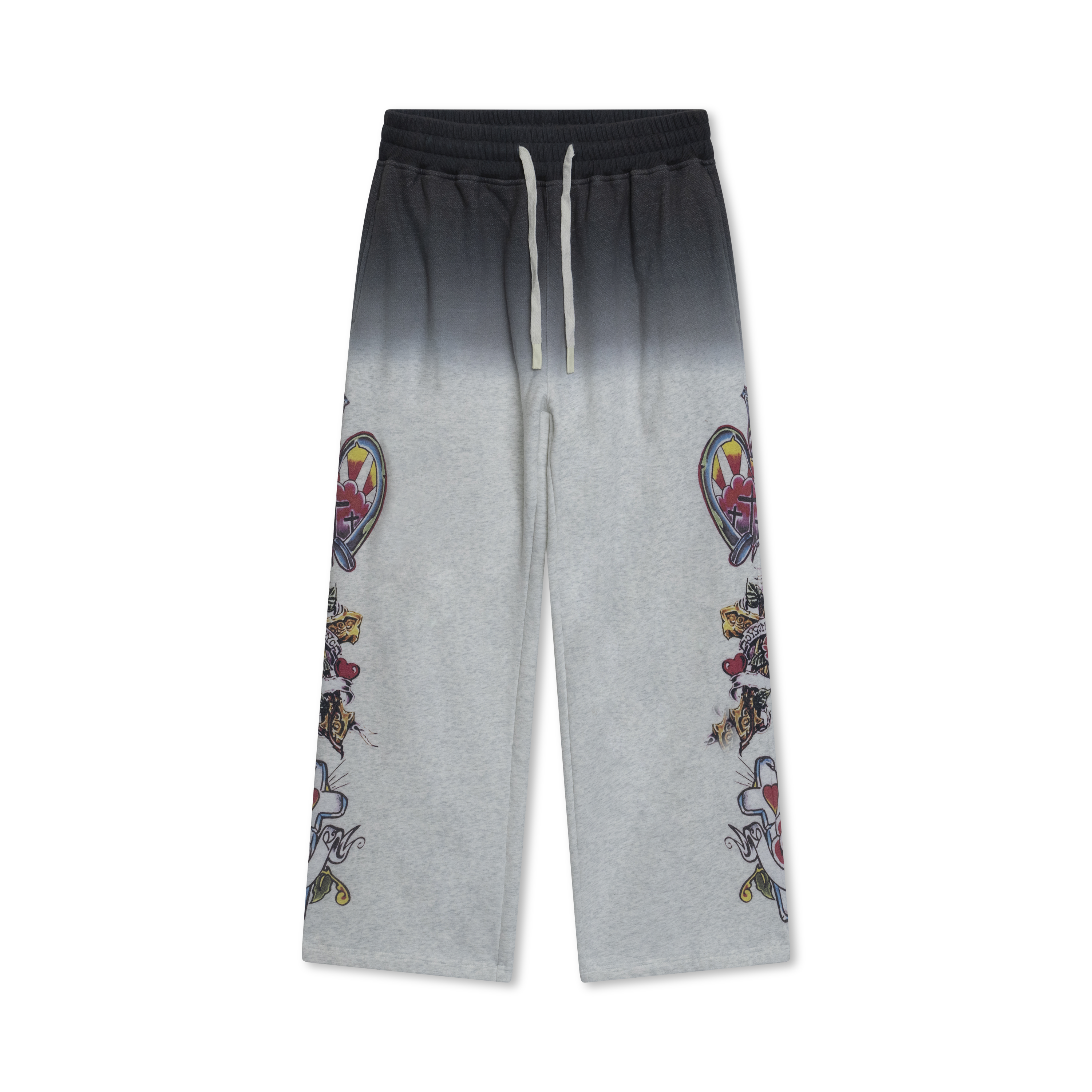
How well a fabric breathes comes down largely to the blend of fibers paired with the density of the weave. Fabrics dominated by cotton breathe more effectively than all-synthetic materials, explaining why righteous apparel prioritizes blends skewed toward cotton for items built for regular, everyday rotation, saving more technical or performance blends for certain designated categories. The approach is deliberately varied, not uniform — the needs of a cold-weather hoodie diverge sharply from those of a warm-weather, lightweight tee.
Temperature regulation also plays into how a piece is judged as time passes. Textiles that don’t distribute heat evenly can feel uncomfortable during in-between weather, but thoughtfully chosen combinations respond more organically. Small as it seems, it’s the kind of difference that reveals whether a brand has vetted its materials over time or simply skipped that step.
What Actually Holds Up Over Time: Sturdiness
Material alone doesn’t fully account for durability — every component must function in unison, from threadwork, reinforced seams, colorfastness, and drawstring or zipper fittings.
Righteous clothing brand has built a reputation partly on reinforced double-stitched seams, which reduce the likelihood of unraveling at pressure points.
This amounts to a relatively low-cost manufacturing decision that makes an outsized difference in how well a piece holds up through everyday use and laundering.
How well dye stays put is one more often-ignored durability factor. Bargain-bin dyes fade significantly after 10 to 15 washes, leaving garments looking patchy and lackluster. Superior dyeing processes, particularly reactive dyeing methods used on cotton-based fabrics, retain hue considerably longer and fend off the washed-out look that plagues lower-tier apparel. Shoppers reading a righteous review will often note that colors stay vivid even after months of regular wear, which reflects this kind of attention to the dyeing process rather than luck.
The length of the fiber and how well the yarn is made underpin a fabric’s resistance to pilling. When rubbed, cheaper short-staple fibers quickly form pills, unlike longer-staple cotton fibers produce smoother yarns able to resist the minor breakage responsible for pilling. At the point of purchase this detail is invisible to the eye, yet it shows up clearly after a month of wear, and that’s precisely why it counts for so much to satisfaction over the long run.
Righteous Set Beside Standard Fast Fashion: A Comparison
It really proves helpful to observe the difference in concrete terms instead of theoretical assertions. The chart that follows outlines broad characteristics associated with everyday fast-fashion pieces as measured against the standards the righteous clothing brand works to uphold spanning its essential apparel collections.
| Characteristic | Ordinary Fast Fashion | The Way Righteous Clothing Handles It |
|---|---|---|
| Textile Weight | Commonly clocking in under 180 GSM and feeling thin | Built at a sturdier weight so it stays durable and keeps its shape |
| Seam Construction | One-pass stitching, prone to fraying | Double-stitched seams placed at stress points |
| Dye Durability | Hue fades after about 10–15 washes | Employing a reactive-dye method so hue lasts longer |
| Fit Retention | Loses tautness, loses shape quickly | A blend of fibers to improve how well it recovers after stretching |
| Pilling Resistance | Rapid pilling develops within weeks | Pilling is reduced by using longer-staple fibers |
This isn’t a case of dramatic, flashy differences — these amount to the kind of incremental construction calls that build up over months spent wearing the piece. A shopper comparing two hoodies side by side in a store might not notice fabric weight immediately, but they’ll notice it after the first wash cycle, and they’ll definitely notice it after the tenth.
Thoughtful Maintenance Which Works to Extend Garment Life
Fabric quality, no matter how impressive, can’t save clothing that’s cared for poorly — which is why proper washing habits are just as important as the fabric themselves. Using cold water to wash maintains both colour vibrancy and thread integrity far better than warm or hot water, which speeds up color loss and material wear. Turning garments inside out before washing also reduces abrasion on the fabric surface, protecting printed designs and minimizing pilling on the outer face of the fabric.
Opting for natural air-drying, or failing that, a low-heat tumble setting, helps keep shrinking and fiber stress at bay, both of which are caused by high heat over repeated cycles. This is particularly significant for thicker fabrics like those used in the righteous hoodie, where high heat can cause the fleece backing to mat down and become less soft over time. Habits this simple often decide whether a garment holds up one year or three, adding meaningful extra life along the way.
Storing folded rather than hung also assists knitwear and hoodies retain their shape, since hanging heavier garments can distort the shoulders and neckline over time. These are small, unglamorous details, but they’re exactly the kind of practical advice that turns a good purchase into a long-term wardrobe staple.
Concluding Notes on Righteous’s Approach to Materials
Underlying any clothing brand’s true story is its materials, and righteous clothing has evidently built its identity on nailing the basics, not on flashy marketing alone. From the weight of the fabric to stitching reinforcement to how well dye holds, each choice reflects a brand thinking about how a garment holds up six months or a year down the line, not just how it photographs on day one. This is a notable distinction in a market still ruled by quick-turnover fast fashion.
For anyone considering a we are righteous review before buying, the practical point is simple: the brand’s approach to fabric selection, construction, and finishing reflects genuine attention to durability and comfort, not just passing style trends. Whether it’s the structured comfort of the righteous hoodie or the wider range of righteous apparel, the materials are doing steady, unseen work behind the scenes — which, at the end of the day, is precisely what good clothing should do.