
Alcohol intolerance causes acetaldehyde to build up in your bloodstream, ultimately causing unpleasant symptoms. Medications called antihistamines can help treat symptoms of a mild allergic reaction. The medication epinephrine, commonly called an EpiPen, can help treat a severe allergic reaction.
Difference from alcohol allergy

Varieties such as Cabernet Sauvignon, Merlot, and Shiraz are known to contain particularly elevated levels of histamines. The Recovery Village Atlanta offers comprehensive addiction treatment for drug and alcohol addictions and co-occurring mental health conditions. The Recovery Village Cherry Hill at Cooper offers comprehensive addiction treatment for drug and alcohol addictions and co-occurring mental health conditions.
Avoiding Alcohol
- For those diagnosed with alcohol intolerance, the primary recommendation is often to avoid alcohol.
- However, people with alcohol intolerance often have a genetic variant that causes ALDH to work less effectively.
- Alcohol intolerance is a common condition that affects many people worldwide.
This enzyme is responsible for metabolizing acetaldehyde, a toxic byproduct of alcohol metabolism. When ALDH2 is deficient or inactive, acetaldehyde accumulates in the body, leading to various symptoms. At The Recovery Village Indianapolis, we are here to help individuals manage alcohol use and its consequences.
How Common Is Alcohol Intolerance?
Certain types of cheese such as blue cheese, cheddar cheese, and parmesan cheese can also contain high levels of histamine. If you’re experiencing allergy-like reactions after consuming https://rosetherese.com/writing-a-goodbye-letter-to-addiction-icarus-get-2/ cheese, try switching to a low-histamine variety such as mozzarella or feta. By understanding the differences between alcohol intolerance and a hangover, you can better manage your symptoms and prevent future episodes from occurring. To prevent hangovers, it’s important to practice responsible drinking habits. This includes drinking slowly and moderating your consumption of alcohol.
Treatment for Alcohol Intolerance
Include everything from your favourite craft beer to that fancy cocktail you tried at the bar. Congeners are the byproducts of fermentation that end up in alcoholic beverages, and they are most commonly found in darker spirits like whiskey, rum, and brandy. While fermentation is a natural part of how we produce alcohol, congeners can play a significant role in how we feel after a night of drinking. Interestingly, many East Asians have a genetic mutation that makes them produce lower levels of the ALDH1 enzyme.
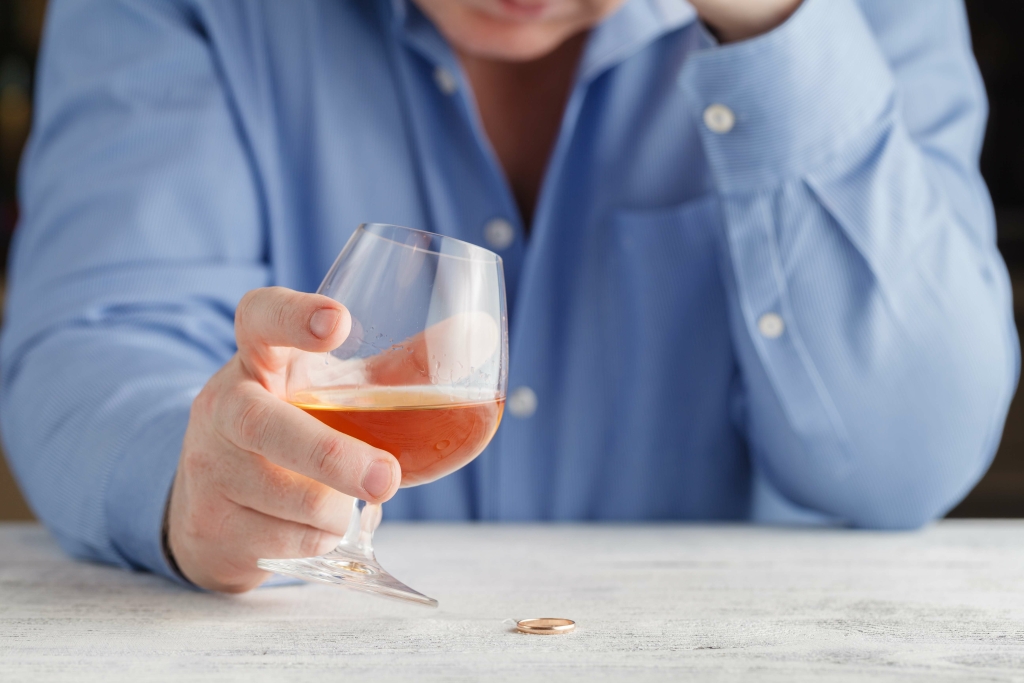
Alcohol intolerance symptoms
Screening for psychiatric symptoms can help identify underlying mental health disorders and create pathways for appropriate intervention and support. alcohol intolerance symptoms “Alcohol sensitivity” is a term that some people use synonymously with alcohol intolerance. The sudden development of alcohol intolerance is a common early symptom of CFS. You head out with friends, expecting the usual fun night, but instead, one drink leaves you flushed, nauseous, or struggling to breathe.
It may also be helpful to keep track of what types of alcoholic beverages trigger your symptoms and avoid them in the future. It is often mistaken for an alcohol allergy, but the two conditions are different. Alcohol intolerance is caused by the lack of a specific enzyme that is necessary to break down alcohol, while an alcohol allergy is a reaction to specific ingredients in alcoholic alcohol rehab beverages. Alcohol intolerance aggravates asthma symptoms by triggering airway inflammation. Sulfites and histamines in alcoholic beverages cause bronchoconstriction, leading to wheezing, coughing, and shortness of breath. Difficulty breathing often escalates quickly, making alcohol consumption risky for people with respiratory conditions.