
Alcohol can disrupt metabolic processes, impacting the body’s ability to efficiently burn calories. This can contribute to weight gain, especially when alcohol is consumed regularly and in excess. Mindfulness about your drinking helps avoid excess calories and fosters healthier habits. Setting and https://www.shipping2015.com/what-is-relapse-and-what-is-it-not-addiction/ sticking to a limit before going out helps control your calorie intake from alcohol. Moderate consumption is defined as approximately 32 grams of alcohol per day, equivalent to 1-2 cans of beer or an 8-ounce glass of red wine.
- Ultimately, the key is to make informed choices about your drinking habits.
- However, as modern medicine and science has improved over time, studies today have shown that there really is some medical benefit to drinking just one glass of whiskey on a sick day (via HuffPost).
- It is also a better alcoholic beverage for people with diabetes since it has no sugars.
- „There isn’t much of a difference between 80-proof hard liquors,” Cederquist says.
- Drinking alcohol can contribute to increased body weight, as both alcohol and obesity negatively impact an individual’s body mass index (BMI), leading to a higher-than-healthy BMI.
Best Alcohol to Drink on a Diet
So, can we really blame the weight gain on alcohol, or are there other factors that should be considered too? We explore the relationship between alcohol and weight gain, the risks behind drinking, and discuss whether or not you’ll need to pack in the pints to maintain not only your figure but your health too. Alcohol is a depressant that can help people fall asleep, but it disrupts the body’s restorative rapid eye movement (REM) sleep, which can cause daytime drowsiness, fatigue, and poor concentration. While one or two drinks do not seem to impair sleep patterns, excessive drinking can. If you’re trying to slim your waistline and count your calories, you should be aware that alcohol will contribute more calories than other macronutrients.

Tips for Enjoying Whiskey Responsibly and Minimizing Weight Gain
Opt for light beers, wine spritzers, or spirits with low-calorie mixers. This way, you can enjoy a drink while minimizing its impact on your overall calorie count. Managing your weight while enjoying alcohol is possible with some practical strategies. Opting for low-calorie alcoholic options, like light beers and dry wines, helps avoid unnecessary weight gain. Using calorie-free mixers with distilled alcohol can also reduce your total caloric intake. Alcohol can also interfere with insulin production, causing spikes in blood sugar levels.
Avoid Drinks High in Sugars and Calories
It can seem challenging to avoid alcohol at social gatherings and parties. A good trick is to order one drink and carry it with you throughout the night. You may consider opting for a mixed drink that has little to no added sweeteners, like a vodka soda or regular martini. If you like bubbles, try a gin and soda does whiskey make you gain weight (tonic water is full of added sugar) with a squeeze of fresh lime juice. When your digestive tract can’t work right, nutrients aren’t broken and absorbed properly, which can work against your weight loss efforts.
Impact on Metabolism
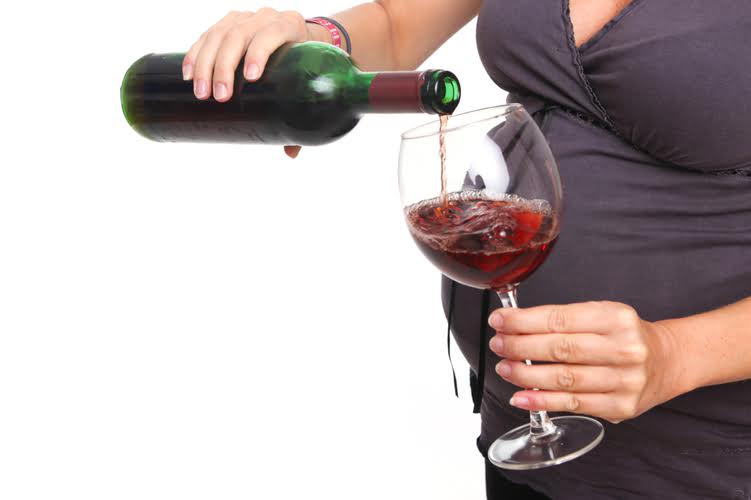
If you are someone who engages in drinking and want to lose weight, our dietitians will help you find a way to incorporate drinking into your lifestyle without sabotaging weight loss goals. When a person drinks a great deal of alcohol over time, or on a single occasion, the heart can be damaged. It doesn’t stop there, alcohol can also affect a person’s pancreas, which supports healthy digestion. However, moderation is key, and becoming knowledgeable about the contents alcohol contains is important. Some individuals can drink alcohol moderately, and others can’t, which is a reason why dependency and addiction develop.
- Learn practical strategies to cut back on added sugars, curb cravings, and make lasting changes for a healthier lifestyle.
- This study suggests that alcohol can actually trigger hunger signals in the brain, leading to an increased urge to eat more food.
- Another big reason is that whiskey contains more congeners compared to other alcohols.
Week Body Recomposition Guide: Lose Fat & Gain Muscle (
A study published in 2016 found that decreasing light-to-moderate alcohol consumption did not significantly affect weight loss. Still, the researchers noted that reducing alcohol intake led to less impulsivity, like overeating. In excess, alcohol consumption may cause adverse effects on your body, leading to weight gain. For example, alcohol may affect hormones that control appetite, hunger, and stress. Alcohol is high in calories and is likely to increase abdominal fat. Research has found that light-to-moderate alcohol intake does not cause weight gain.
Does Alcohol Make You Gain Weight? Unlock the Truth
Generally, glands in your body release the right amount of hormones at an exact time, which send messages Halfway house to your tissues. Those messages aid in your body’s stress response and help control your energy and metabolism. With this understanding, it is then important to look at how many calories there are in alcohol.
Sudden Weight Gain Around the Belly? Here’s What Could Be Happening
However, they add more calories to your diet and can cause weight gain. Increased body fat due to low testosterone levels further impairs the body’s ability to effectively produce and utilize this hormone. This leads to a vicious cycle of weight gain and increased belly fat.
Take the stairs instead of the elevator, cycle or walk to work, go for a stroll on your lunch break, or suggest walking meetings with colleagues rather than seated ones. Instead, go for a big range of foods and focus on nutrient-dense ones like vegetables, fruits, whole grains and unprocessed ingredients. These also tend to be higher in fibre, which keeps you feeling full. Join 40,000+ People Who Receive Our Newsletter Get valuable resources on addiction, recovery, wellness, and our treatments delivered directly to your inbox. Here is a detailed overview of treatment and recovery options, including their effectiveness and practical advice for those seeking help.
When selecting an alcoholic beverage, opt for a lower calorie option cocktail, glass of red wine, light beer, and avoid drinks made with sugary mixes. Alcohol and fat metabolism has a connection because the liver plays a huge role in a person’s metabolic processes. When there is an excess amount of consuming alcohol, it can lead to alcoholic fatty liver.